

Minimally Invasive Spine Procedures
MILD Procedure
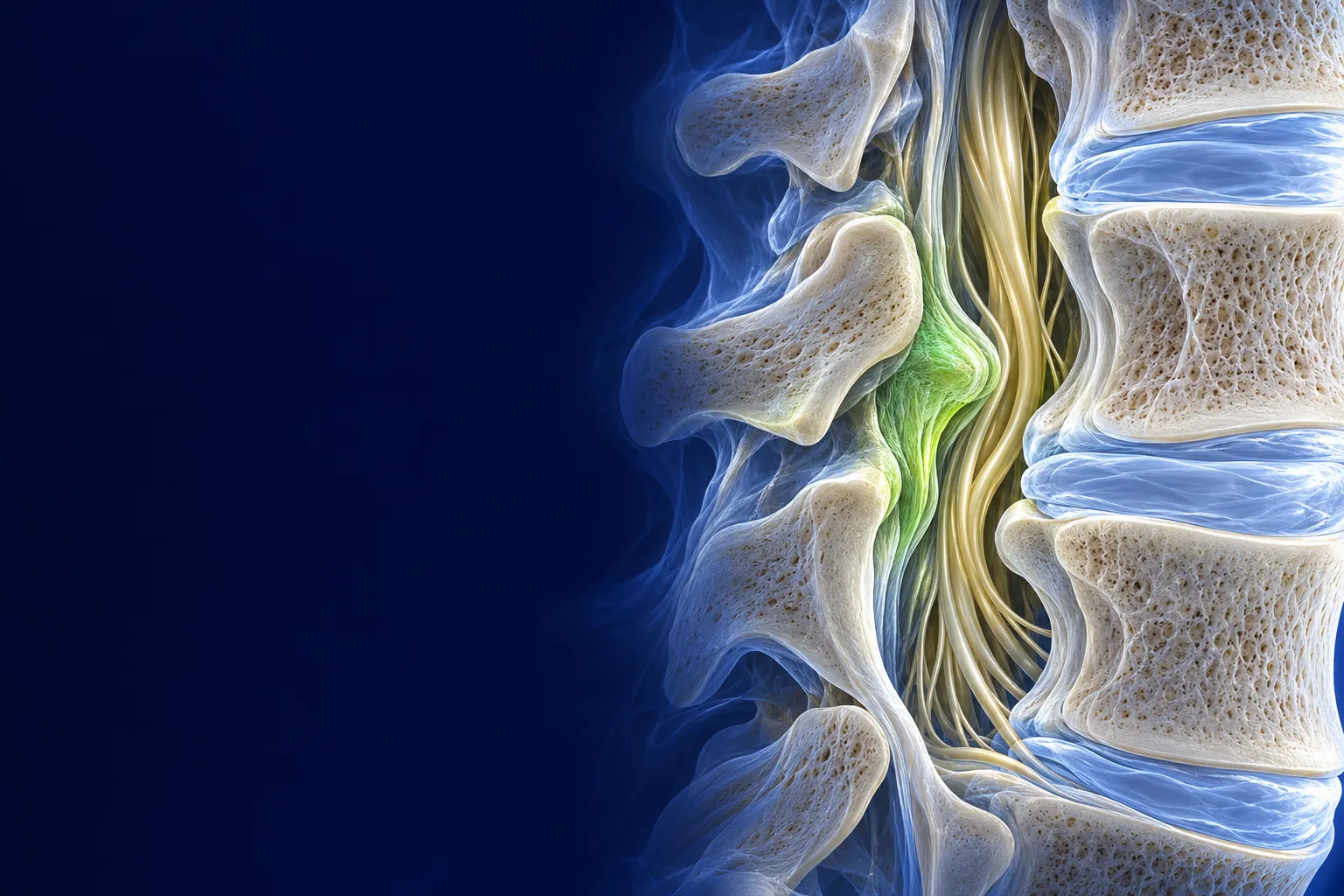
The MILD (Minimally Invasive Lumbar Decompression) procedure treats lumbar spinal stenosis by removing small amounts of excess bone and thickened ligament tissue through a tiny incision, creating more space in the spinal canal without the need for implants, general anesthesia, or major surgery.
Conceptual illustration
Medically reviewed by Joshua L. Hare, DO, Founder & Medical Director
Updated September 2026
Conditions Treated
Lumbar spinal stenosis with neurogenic claudication, ligamentum flavum hypertrophy
Talk with our team
Request a callback
The team calls you back within one business day, Monday to Thursday.
Insurance we acceptThe treatment explained
How It Works
Through a single small incision (about the size of a baby aspirin), specialized instruments are used to remove portions of thickened ligamentum flavum and small bone fragments that are compressing the spinal canal. No implants, stitches, or general anesthesia required.
Treatment day
What to Expect
Under an hour, outpatient procedure. Performed under local anesthesia with mild sedation. Incision is typically closed with a single adhesive strip.
Afterward
Recovery
Resume light activities within 24 hours. Many patients notice improved walking ability within days. Full benefit develops over 2-6 weeks.
Duration of Relief
In the MiDAS ENCORE randomized trial (Staats et al., Regional Anesthesia and Pain Medicine 2018), improvement in pain and function was sustained through 2 years.[1] The decompressed tissue does not typically regrow.
References
Clinical sources for this page.
- Staats PS, Chafin TB, Golovac S, et al. Long-Term Safety and Efficacy of Minimally Invasive Lumbar Decompression Procedure for the Treatment of Lumbar Spinal Stenosis With Neurogenic Claudication: 2-Year Results of MiDAS ENCORE. Regional Anesthesia and Pain Medicine. 2018;43(7):789-794. Back to first citation ↑
Five clinics
Book a visit
Our fellowship-trained physicians are accepting new patients at five clinics: Dalton, Ringgold, Cleveland, Farragut and Oak Ridge.