

Nerve Blocks
Selective Nerve Root Block
A selective nerve root block (SNRB) involves injecting local anesthetic and corticosteroid around a specific spinal nerve root to diagnose and treat radicular pain (pain radiating along a nerve). It serves as both a diagnostic tool to confirm which nerve root is causing pain and a therapeutic injection to reduce inflammation.
Conceptual illustration
Medically reviewed by Joshua L. Hare, DO, Founder & Medical Director
Updated August 2026
Conditions Treated
Cervical or lumbar radiculopathy, nerve root compression from herniated disc or stenosis, pre-surgical diagnostic evaluation
Talk with our team
Request a callback
The team calls you back within one business day, Monday to Thursday.
Insurance we acceptThe treatment explained
How It Works
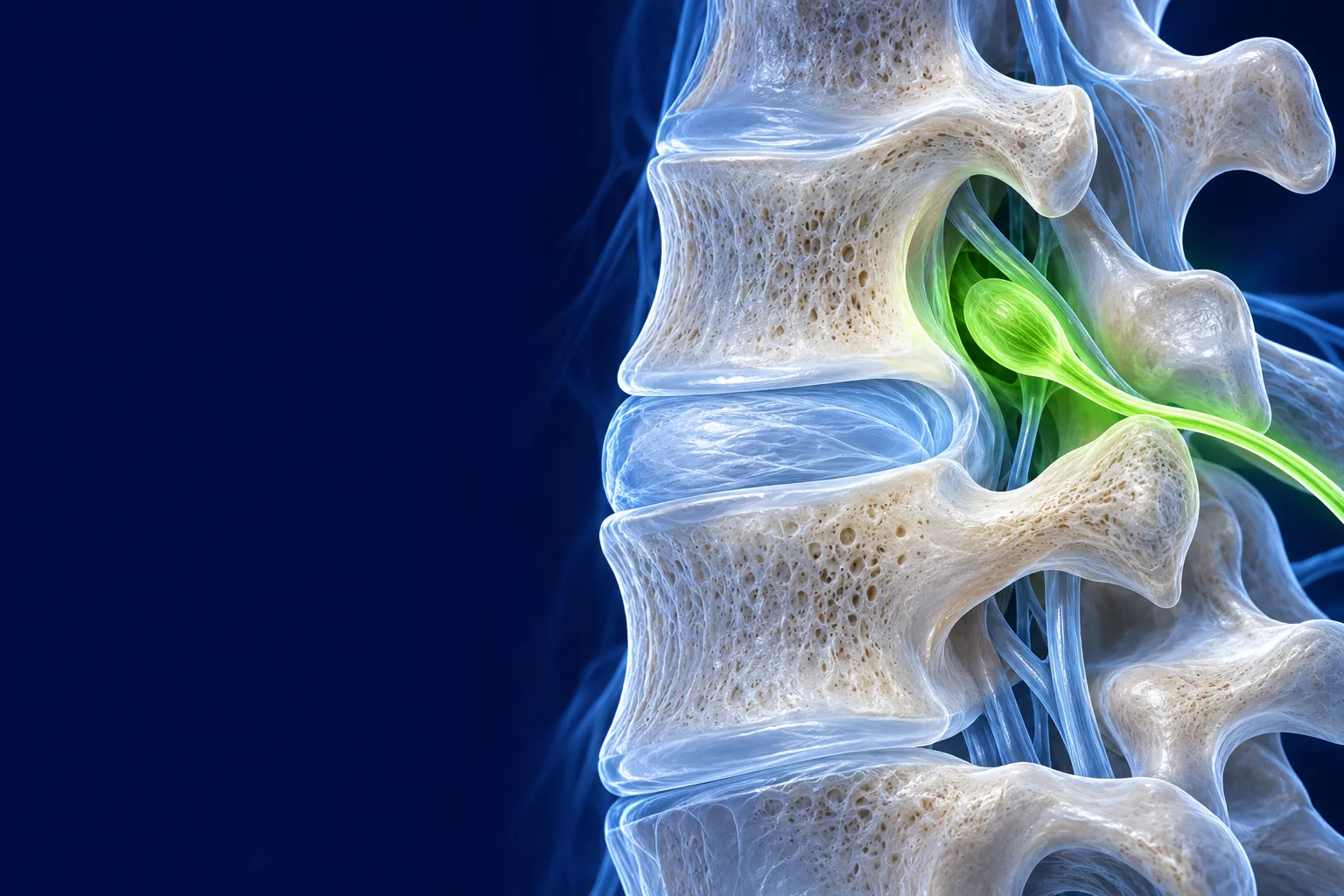
Under fluoroscopic guidance, the physician places a needle adjacent to the targeted nerve root at the neural foramen. Contrast dye confirms position before injecting anesthetic and steroid.
Treatment day
What to Expect
15-20 minute procedure. Temporary numbness in the nerve distribution. Keep a pain diary to document your response — in the research literature, a clearly positive result is defined as at least 50% pain relief[1] while the anesthetic is active.
Afterward
Recovery
Resume light activities the same day. Full benefit from steroid within 1-2 weeks.
Duration of Relief
Weeks to months therapeutically. Diagnostic information guides further treatment decisions. The systematic-review literature grades the evidence for nerve root blocks as a stand-alone diagnostic test as limited,[1] and describes their use in the preoperative evaluation of patients with negative or inconclusive imaging studies[1] — which is why your response is read alongside imaging and examination, never in place of them.
References
Five clinics
Book a visit
Our fellowship-trained physicians are accepting new patients at five clinics: Dalton, Ringgold, Cleveland, Farragut and Oak Ridge.